Article
Mar 29, 2026
Why Your Guitar is Making You a Worse Player
It’s not always a lack of talent. Sometimes, your guitar is physically fighting you. Learn the 5 mechanical fixes that make playing feel easier instantly.
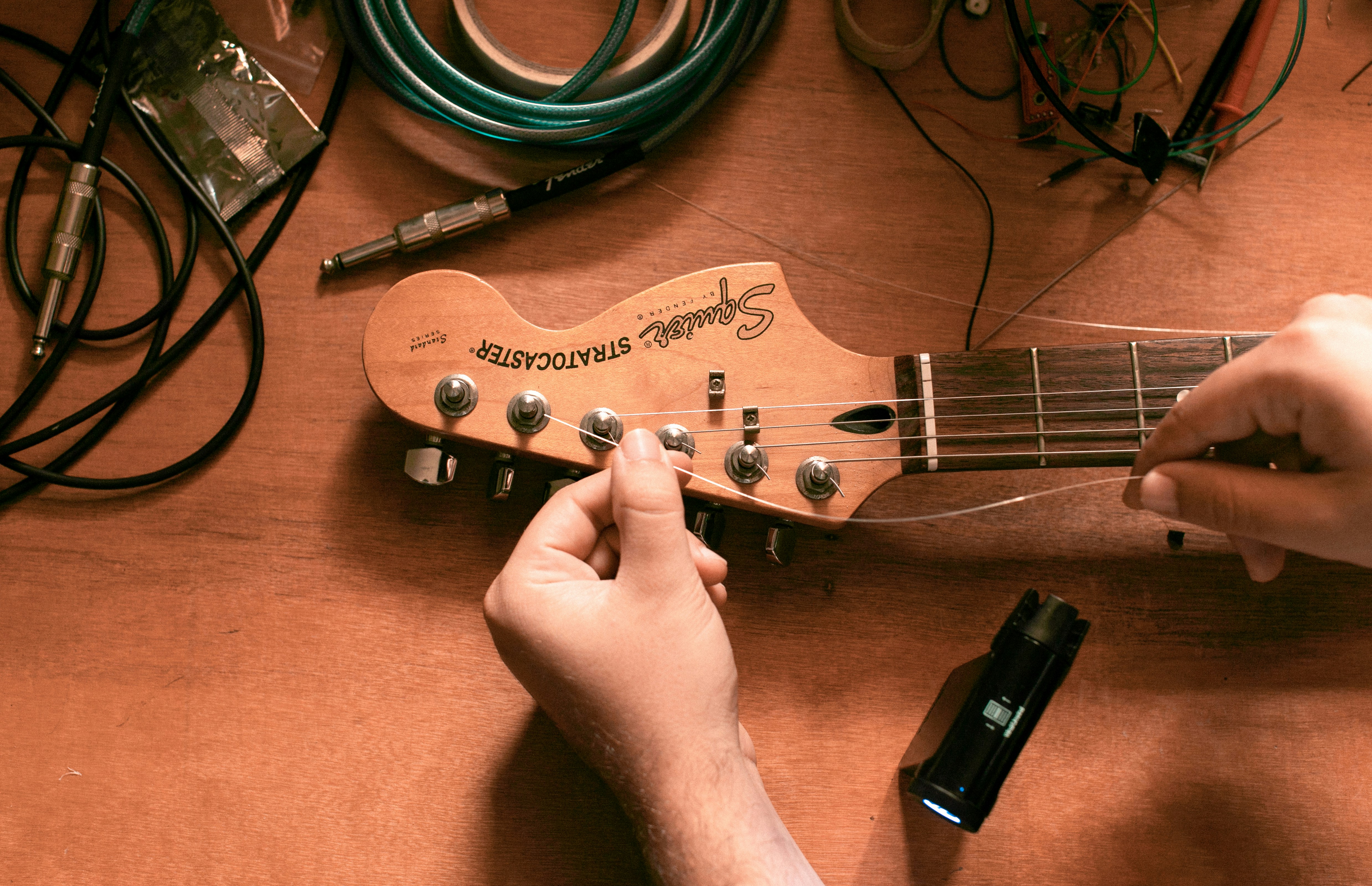
Before you decide that you aren't "naturally gifted" at guitar, you need to check if your instrument is working against you.
Key Takeaways
The "Action" Issue: If your strings are too high, your fingers will hurt more, and chords will be harder to press.
Pick Choice Matters: Using a pick that is too thick or too thin for your style can make your playing sound sloppy.
The Professional Setup: A small tune-up from a pro can make a cheap guitar feel like a $2,000 instrument.
Check Your Strings: Old, rusty strings are harder to slide on and can actually damage your frets over time.
What is "Action" and Why Does it Matter?
"Action" is simply the distance between the strings and the fretboard. If that gap is too wide, you have to press much harder to get a clean note. This leads to hand fatigue and slow chord changes.
Many beginner guitars come out of the box with the action set way too high. If your fingers feel like they are being cut into by the strings, it might not be your lack of calluses—it might be your guitar's setup.
The Power of a Professional Setup
Guitars are made of wood and react to temperature and humidity. Over time, the neck can bow or the bridge can shift.
What a Technician Does
Taking your guitar to a local shop for a "Setup" is the best investment you can make. A technician will adjust the neck tension and lower the string height. This makes the strings feel "buttery" and much easier to press down.
Choosing the Right Pick
The pick is the bridge between your hand and the strings. Using the wrong one is like trying to run a marathon in work boots.
Strumming vs. Lead
For Strumming: Try a "Thin" or "Light" pick (.50mm to .60mm). It has more flex, which makes strumming sound smoother.
For Lead/Solos: Try a "Heavy" pick (1.0mm or higher). This gives you more control and speed for individual notes.
Thumb Placement and Reach
If your guitar is set up perfectly but you still can't reach the notes, look at your thumb. If your thumb is "hitching a ride" over the top of the neck, it limits how far your fingers can stretch.
Try moving your thumb to the middle of the back of the neck. This "clamps" the neck and gives your fingers much more room to move.
Final Thoughts
Don't let a poorly maintained guitar stop you from playing. If you find yourself struggling with things that should be easy, take ten minutes to check your string height and your thumb position. Sometimes, the fix is mechanical, not musical.
If you’re looking for a structured way to keep your practice on track, check out our web application designed to help you organize your daily routine and hit your goals faster.